

People struggle to reconcile the God of the Old Testament and the God who sacrificed His own son out of love for us. Those rightly come across as two different Gods.
Many have heard the same apologetics employed to get over this hurdle.
- “It was a different time!”
- “God’s ways are above our ways”
- “It was a completely different culture”
- “All of this terrible evil was just God showing His justice”
- “The people were so bad they deserved it”
- “God was actually being loving by doing these terrible things”
- Ok this one sends me. I have some choice words for people who take this track
What if that wasn’t God at all?

Today we have a higher sense of morality. We have a higher sense of humanity and justice. (Ok well….clearly not everyone, but most!)
We read things like this, and from a moral and philosophical perspective, we can reason that not committing genocide anymore is what a loving God would want. (sadly again, that’s not universally true)
What if we could look the Bible square in the eye and say “No. That’s not God.”
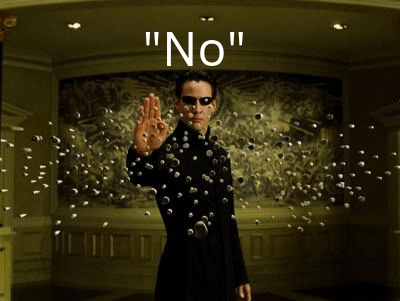
When we read about God supposedly committing genocide, tempting people, hardening hearts, etc, what if that’s not God? What if we didn’t have to employ pathetic apologetics to smooth over this clear and obviously morally bankrupt God?
What if we can say “that’s not God” from not only a modern moral/philosophical perspective, but also from a Biblical perspective? What if we actually have a duty, and a Biblical example of how, to do exactly that?
First off, if you are a believer in the modern doctrine of biblical inerrancy, buckle up. This is going to get uncomfortable.
Secondly, please do your best to quiet that part of your brain and read on with an open mind.
A Quick Background
The theology of a personified independent evil being (Satan) was not developed prior to the Babylonian exile. Before that, all calamity/evil/chaos/etc was understood to be from God.
During the exile, the Israelites were exposed to Zoroastrianism and through that lens, developed a new theology of Satan over the next few hundred years. They came to understand that there was a figure acting in direct opposition to God, and that everything not-good should therefore be attributed to this newly minted Satan (not God).

The intertestamental apocryphal works attest to the rapid theogical development of this evil figure and the details around the who/what/where/how of demonic activity.
By the time Jesus comes on the scene we have a fully accepted theology around this Satan figure that stands in stark contrast to the Old Testament authors’ understanding.
The Evidence
Let’s look at a story in the Old Testament where we find a Biblical author having the same struggle with God that we have today. We’re looking at the story of David taking a census.
The relevant information is found in the below table.
| Verse | Again the anger of the Lord was kindled against Israel, and he incited David against them, saying, “Go, count the people of Israel and Judah.” – 2nd Samuel 24:1 NRSVUE | Satan stood up against Israel and incited David to count the people of Israel. – 1st Chronicles 21:1 NRSVUE |
| Date of composition | Likely 9th-8th century B.C.E. with minor later revisions | 350-300 B.C.E |
| Who Incited David? | The Lord | Satan |
| Pre or post exile? | Pre-exile | Post-exile |
Many people love to poke fun at the Bible by pointing out the contradiction between these (and other) stories.
I get it. There is a clear contradiction.
The bigger question should be why there is a contradiction.
The author of 2nd Samuel is writing in a time when the people have a different understanding of who God is. They understand God to be author of everything, temptation included.
Around 500 years later, we get a different take.
The author of 1st Chronicles is attempting to create a redacted and more loyal story to the Davidic history. During their review of the past written history, the author comes up against a problem.
God is punishing David for something God incited David to do.

That doesn’t square with who this later author understands God to be. It doesn’t make sense with a good and loving God.
So what does author do? He says “No. That can’t have been God” and then rewrites history. His newer understanding of God makes him reject the previous author’s view.
Ignore the apologetics. The later author, if they believed the exact same thing as the original author, would have just copied the original. Clearly they were aware of it and didn’t have issues with copying other parts of the story.
Now they didn’t have a fully formed theology of Satan yet, but the theology was “under construction” so to speak. It was at least developed enough to force the later author away from a direct attribution of this temptation to God Himself.
This later author did not take the scripture he was working with and go “oh well. It’s inerrant. I can’t possibly disagree with it.”
Instead, he looks the scripture directly in the face and says “No.”
The Necessity of the “No”
There’s nothing to stop us from saying no today, aside from this modern belief that scripture must be inerrant.
When we see an instance of a terrible evil done under the supposed direction of God, we too can say “No.”
Some of the Old Testament is written in the days before a better understanding of God was developed.
Some of the Old Testament was written hundreds of years after the events it portrays, by authors intent on excusing past actions. These authors saw the dilemma, and wanted an “out” for why their ancestors did such terrible things. What better excuse than to claim God commanded it?
Today, why can’t we see these events for what they are? The hand of man and not the intent of God?
Today we can do something very biblical and say “No. That wasn’t God.“
In fact, us doing this is more biblical than believing the Bible is inerrant (Our modern doctrine of innerancy is not actually a biblical doctrine).
I’ve written about this many times, in many past posts. We get ourselves into trouble when we impose assumptions of univocality and inerrancy on the Bible, as shown by the examples of bad apologetics above.
Believers in inerrancy grab a handful of (often mutually exclusive) excuses and throw them all at the wall in the hopes that at least one sticks.
Wouldn’t it be great to just……not have to do that?
Wouldn’t it be great to believe in a God who didn’t commit such seemingly immoral actions?
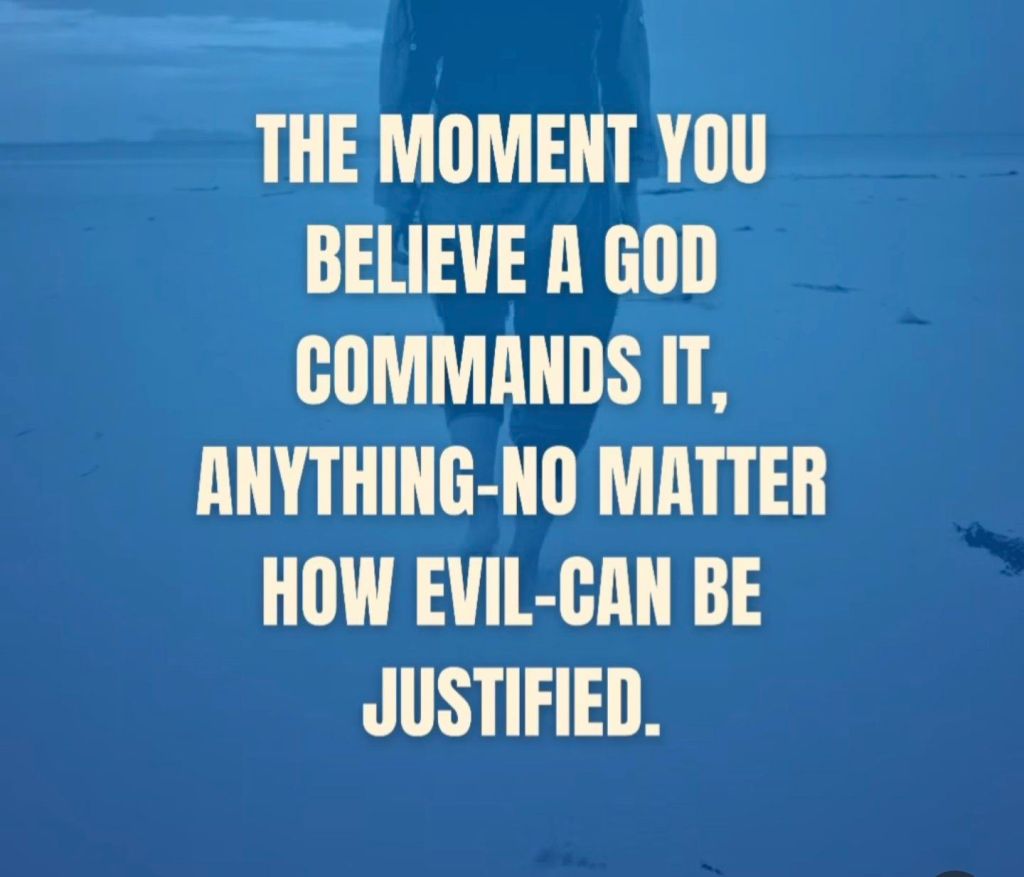
A failure to say “No” is far more impactful than many realize.
When we can be made to reason away genocide as having previously occurred under divine command, it can be justified again today under someone claiming divine authority.
We can be made to accept that discrimination, misogyny, racism, exceptionalism, exclusivity, violence, etc, is all somehow OK, as long as it’s done for the “right” reasons or even by divine authority.
When we put all our hopes and attention on the life we expect to live later, we can justify anything about the life we live now. After all, that’s what some scriptures can be twisted to mean right? That this *gestures broadly* society of systemic injustice is just all part of God’s plan?
In the words of the 90’s D.A.R.E. (anti-drug) program:
“Just say no.”*
Peace
*Was anyone else surprised at how little, if ever, we were offered drugs growing up? They made it seem like we’d be assaulted by drugs at every turn. I’m a little miffed. Quicksand and drugs were a much bigger worry than they needed to be! 😂
 Space For Doubt
Leave a comment