

The more I study the Bible, the more humor I get from it. Perhaps not directly from the author, but more so from the idea of taking certain parts literally. There have been a few times I have actually laughed out loud. Studying the plague narrative, post-deconstruction, was enjoyably one of those times!
Let’s jump right in with Moses, Aaron, and the staff. We’ve got some interesting nuggets there to unpack.
So Moses and Aaron came to Pharaoh, and so they did, just as the Lord had commanded; and Aaron threw his staff down before Pharaoh and his servants, and it turned into a serpent. Then Pharaoh also called for the wise men and the sorcerers, and they too, the soothsayer priests of Egypt, did the same with their secret arts. For each one threw down his staff, and they turned into serpents. But Aaron’s staff swallowed their staffs. – Exodus 7:10-12 NASB
The Egyptian sorcerers were also able make their staffs into snakes. That’s not something within the realm of human feasibility. There had to be some supernatural intervention there. Aaron’s staff/serpent winds up consuming the others. So what is going on here?
The Egyptians believed in multiple Gods. The Israelites who wrote this story also believed that Egypt was inhabited by multiple Gods. They believed these Gods actually existed and had some level of potency.
This particular bit seems to have been written to counter the Egyptian God Nehebkau. From Wikipedia:
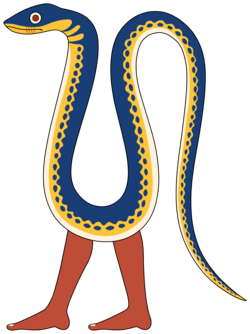
Nehebkau was ultimately considered a powerful, benevolent and protective deity.
For this deity to be eaten by Aaron’s staff would prove that the God controlling Aaron’s staff was the superior God.
Water to Blood
Here we have our first plague, the water to blood bit. This one is pretty gross.
Then the Lord said to Moses, “Say to Aaron, ‘Take your staff and extend your hand over the waters of Egypt, over their rivers, over their streams, over their pools, and over all their reservoirs of water, so that they may become blood; and there will be blood through all the land of Egypt, both in containers of wood and in containers of stone.’” – Exodus 7:19 NASB
It appears as though ALL of the water EVERYWHERE became blood. That poses a significant problem to everything that needs water to survive.
But the soothsayer priests of Egypt did the same with their secret arts; and Pharaoh’s heart was hardened, and he did not listen to them, just as the Lord had said. – Exodus 7:22 NASB
I guess the first question that comes to mind, is where did they get the water to also do the same? That’s a little confusing, but we get an answer here….maybe.
So all the Egyptians dug around the Nile for water to drink, because they could not drink from the water of the Nile. – Exodus 7:24 NASB
I’m picturing them realizing all the water is blood. All these guys then go running around frantically digging and filling up pitchers of clean water to then turn into blood themselves. It’d be a really weird and drawn out (haha…) process for Moses and Aaron to sit through. Like…hours would go by. “You guys got enough clean water yet?”
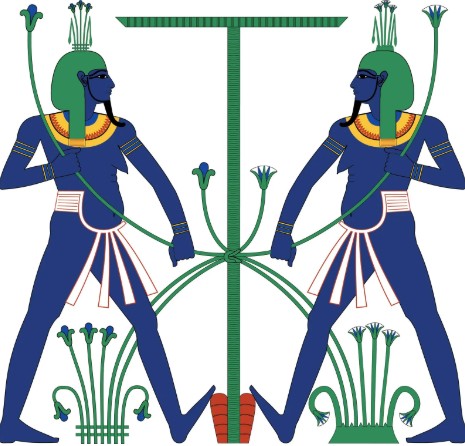
Here the opposition is to the God Hapi, which the Encyclopedia Britannica labels as:
In ancient Egyptian religion and mythology, Hapi was the god of the Nile River. Hapi was usually portrayed as a fat old man with a woman’s pendulous breasts that symbolized the fertility of the river.
By replacing the water (fertility) with blood (death), they’ve effectively delivered a big slap in the face to Hapi. Unfortunately Hapi doesn’t have much clean water with which to work their magic in response.
Frogs…so many frogs
This is what you came for, even if you didn’t know it. This one is the goldmine of comedy.
So Aaron extended his hand over the waters of Egypt, and the frogs came up and covered the land of Egypt. However, the soothsayer priests did the same with their secret arts, making frogs come up on the land of Egypt. – Exodus 8:6-7 NASB
The God of Moses makes an abundance of frogs come forth from the Nile. This would indeed be quite annoying I suppose. All those frogs probably making noises while you’re trying to sleep and such.
Anyway, the sorcerers made frogs appear too. My first thought is how can you tell whose frogs are whose? Do they look different? Like a red vs blue scenario? Do they get along with each other or are the frogs enemies too?
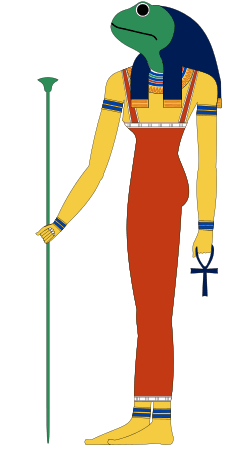
Whatever the case, the sorcerer’s appeal to Heqet, the Egyptian Goddess of fertility, worked. Frogs came forth at the sorcerer’s request as well.
What’s strange here is that Pharaoh later pleads with Moses and Aaron to remove the frogs. I guess Heqet can only make frogs, not kill them. After all they are the God of fertility, not death.
“Sorry, our hands are tied.” – The sorcerers to Pharaoh (probably)
Another strange bit is this:
“…May it be according to your word, so that you may know that there is no one like the Lord our God. The frogs will depart from you and your houses, and from your servants and your people; they will be left only in the Nile.” – Exodus 8:10-11 NASB
That’s all well and good, but then we read this:
The Lord did according to the word of Moses, and the frogs died out of the houses, the courtyards, and the fields. So they piled them in heaps, and the land stank. – Exodus 8:13-14 NASB
I feel like there was some miscommunication between God and Moses here, because this doesn’t quite line up with the words of Moses. That’s a lot of unnecessary frog shoveling. Moses, next time can you please be a little more clear with God?
Here’s where things get amusing. The word for “frogs,” specifically in verse 6, is singular.
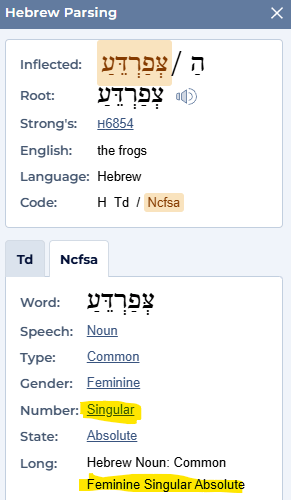
Rabbi Akiva in the Babylonian Talmud, Sanhedrin 67b, takes this very literally and says “There was one frog, and it filled all the land of Egypt.” This is a very real rabbinic tradition. (Feel free to google this!)
Picture this giant Godzilla-like frog hopping around the land of Egypt, just smashing everything and leaving a path of destruction in its wake.
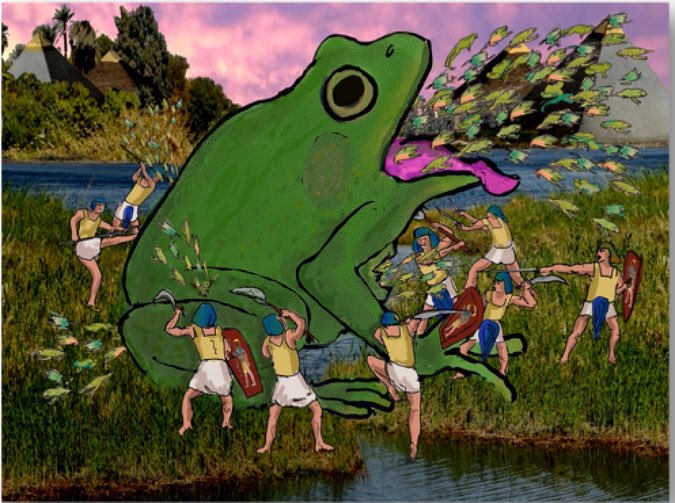
I love it. I’m so hyped about the Godzilla frog now. There needs to be a spin-off to see how this beast lived its life. Do you realize how much more kids would pay attention if they got to imagine a Godzilla frog in their study lesson?
Gnats
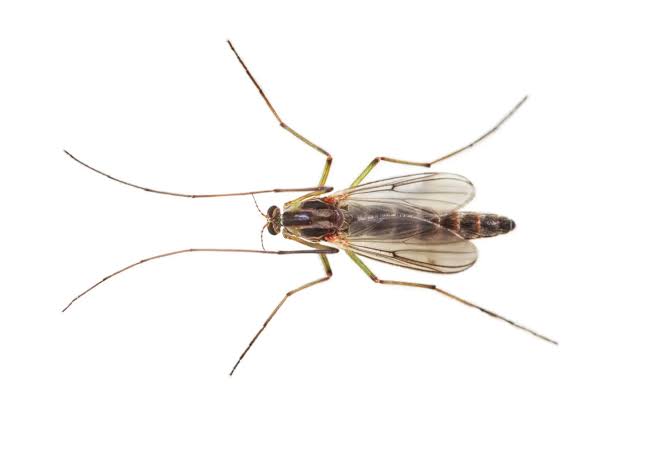
Up next we have the plague of insects. The first to blight the land are called Gnats or Lice depending on which version you use. Looking through a few entomologists’ takes on this, it was most likely the “no-see-ums.” Those super tiny but annoying black bugs that bite in the summer time.
“They did so; and Aaron extended his hand with his staff and struck the dust of the earth, and there were gnats on every person and animal. All the dust of the earth turned into gnats through all the land of Egypt. The soothsayer priests tried with their secret arts to produce gnats, but they could not…” – Exodus 8:17-18 NASB
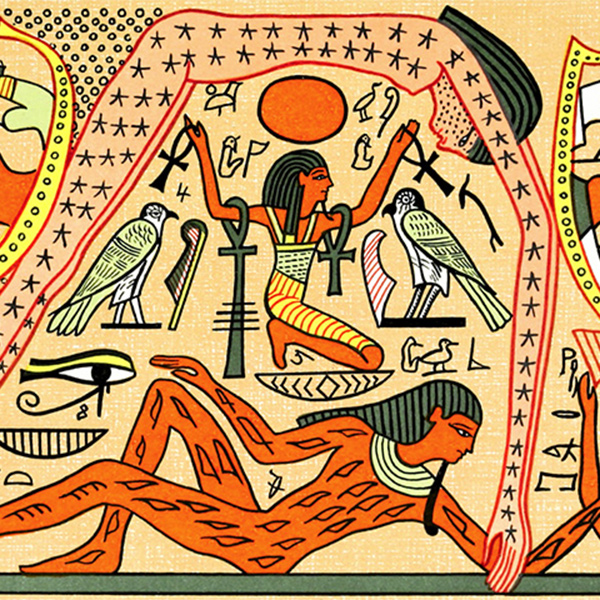
The Egyptian God Geb apparently failed to answer the sorcerers calls here and they are left empty handed. Well…not empty. Covered in biting bugs I guess. Geb, where you at bro? You left your guys on read!
Geb was believed to be the deity of earth, and was central to the ancient Egyptian creation myth. – Rosicrucian Egyptian Museum
Then we have flies. These insects make a lot of sense, as there are probably still fields of rotting frogs. A delightful feast if you’re a bug!
“Then the Lord did so. And thick swarms of flies entered the house of Pharaoh and the houses of his servants – Exodus 8:24 NASB [They did not bother the Israelites living in the land of Goshen]
This one finally bothers Pharaoh enough that he pleads with Moses and Aaron to make it stop. Then we see this:
The Lord did as Moses asked, and removed the swarms of flies from Pharaoh, from his servants, and from his people; not one remained. – Exodus 8:31 – NASB
My man. That is a blessing! Not one fly remained?!?! How long do you suppose they were fly-less? Jokes aside, I realize this could literally just be not one of the plague flies were left. However I’d like to imagine there was this brief period of time where there were no flies at all.
Here’s where I’ll conclude part 1, otherwise this post would more than double in length.
Reading the Bible after deconstructing is a completely different ballgame. The approach is so different that I find myself catching things I’ve overlooked dozens of times.
Sometimes it feels like we are pressured to take this super stoic and serious attitude when it comes to Bible study. That’s a shame. It should be enjoyable, funny, sad, frustrating, shocking, etc. This was probably one of my favorite studies in recent memory.
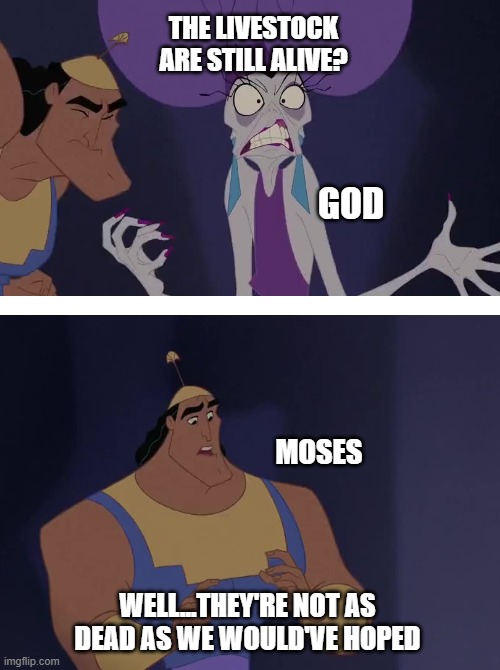
You’ll want to come back for part 2. That’s got some fun bits too. Here’s a teaser….
Happy studying!
Peace
 Space For Doubt
Leave a reply to Annual Blog Reviews – Space For Doubt Cancel reply